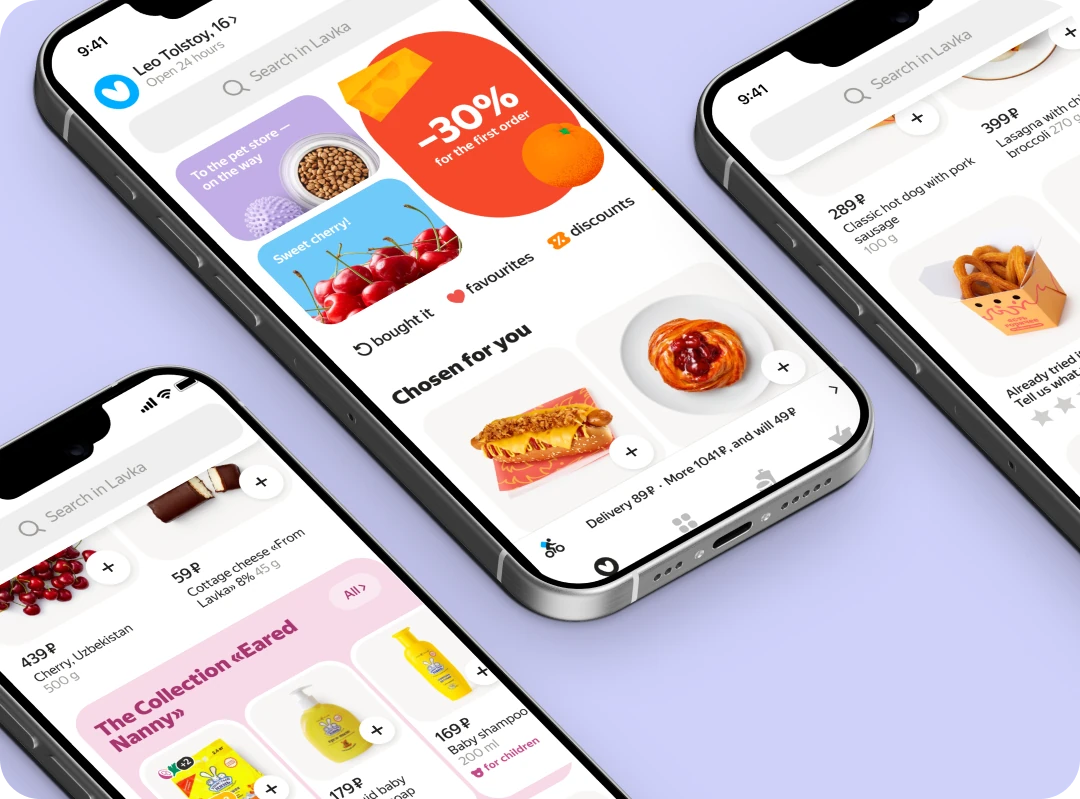
Yandex Lavka — Homepage Redesign
A homepage redesign that brought personalized recommendations into focus, solved visibility issues, and created a scalable promo system for business growth
 Back
Yandex Market is one of the leading marketplaces in Russia, with over 18M active users.
Product Designer.
I owned the design process end to end: problem framing, research synthesis, concept development, experimentation, and collaboration with product, research, and engineering teams.
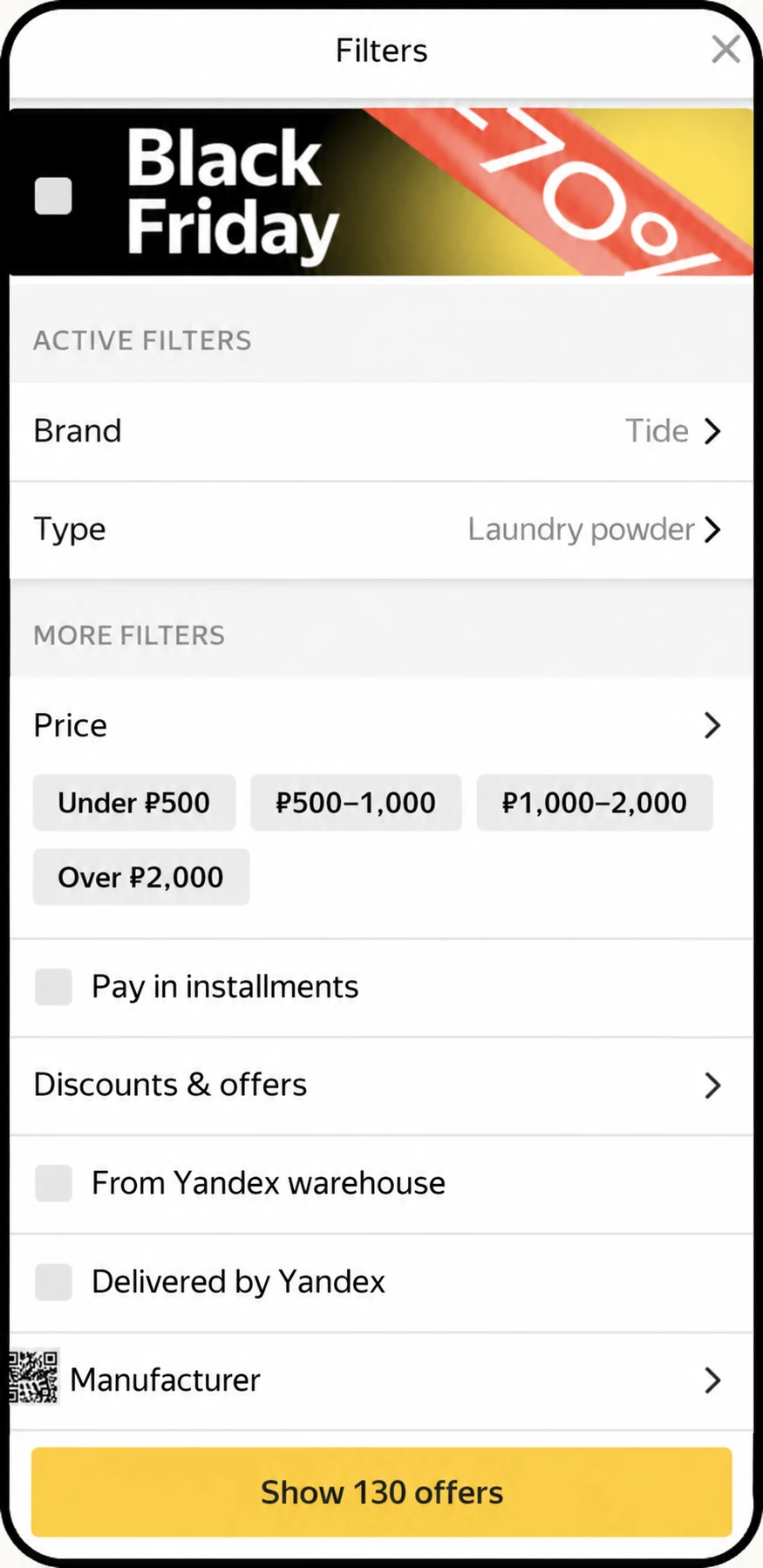
Promo-banner
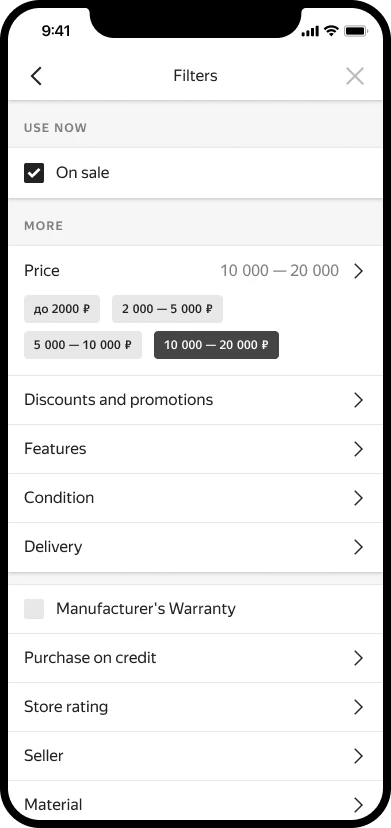
These filters were manually ranked by managers, without taking into account the user’s actual behavior.
My hypothesis was that increasing filter usage would directly impact conversion to purchase.
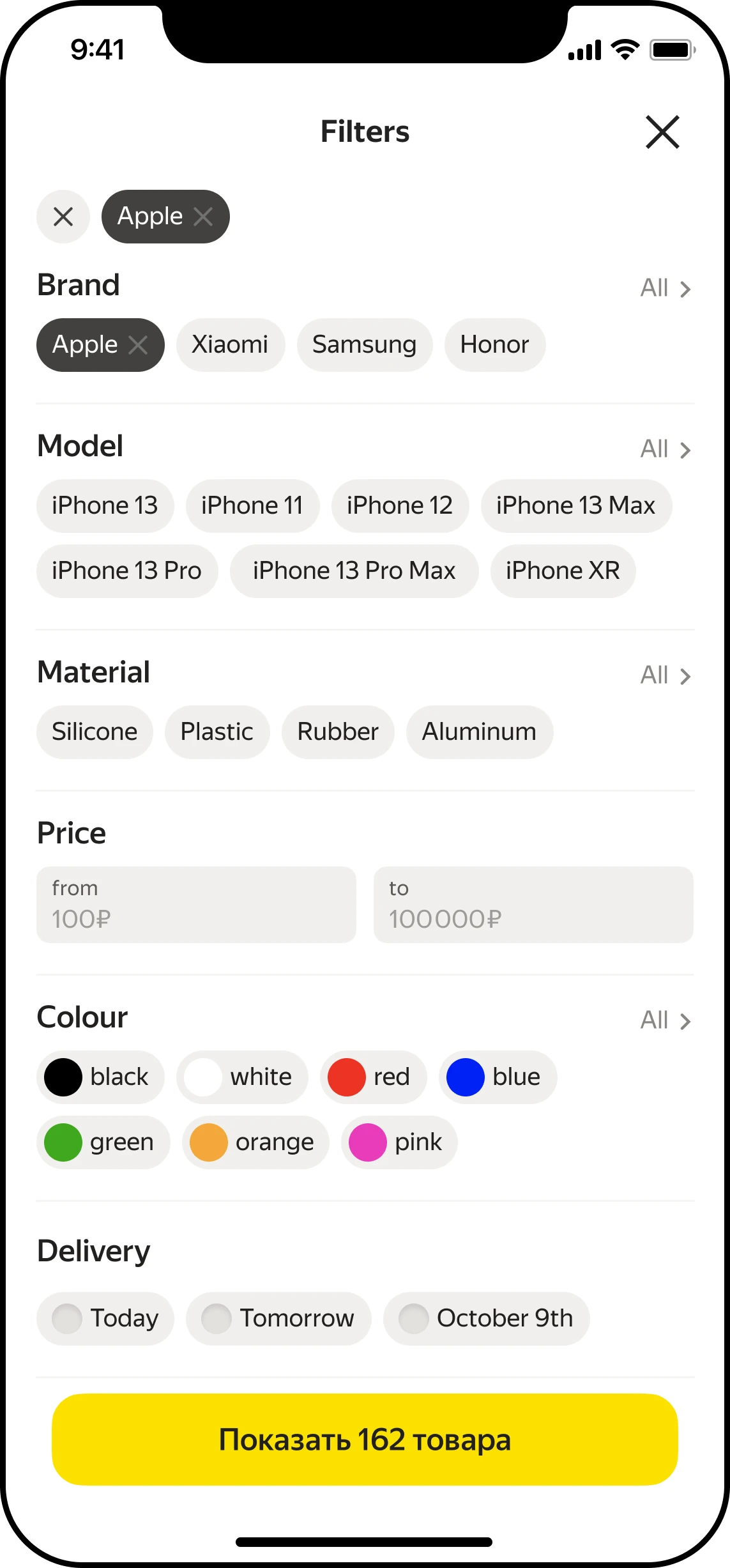
The task was to redesign the filter experience in a way that:
I analysed existing research and user interviews and discovered that users did rely on filters, but often found them irrelevant to their specific search context.
Working closely with engineers, I identified an opportunity to dynamically rotate filters based on user intent.
For example:
While I was designing the updated filter UI to match the new Market design system, the Product Owner began early experiments with filter rotation. The first A/B tests immediately showed an increase in both filter usage and purchases, validating the approach.
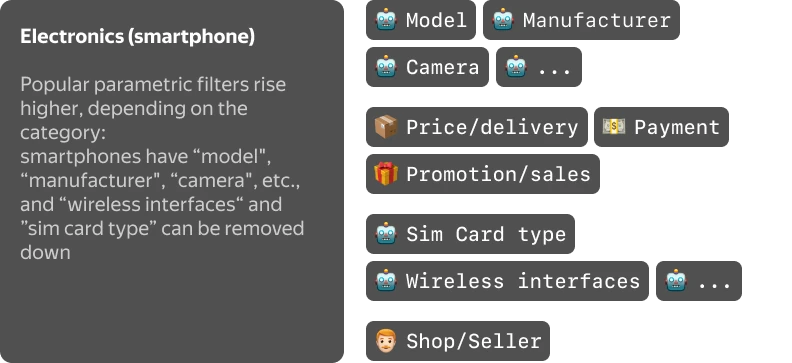
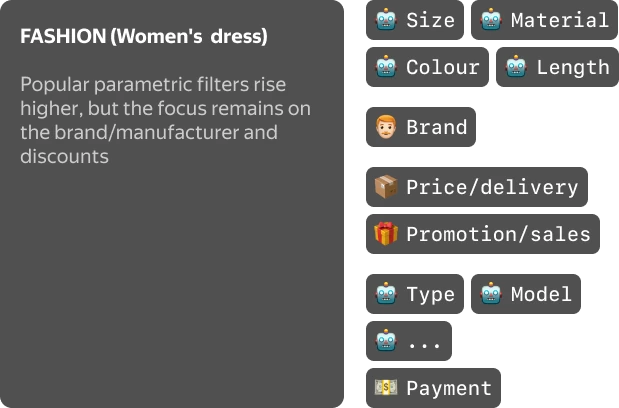
Before finalising the redesign, I aligned with key stakeholders to understand their goals for filters — including promotions, advertising, and category-specific needs.
I designed the system with scalability in mind and added tools that allowed filters to support these different use cases without compromising usability.
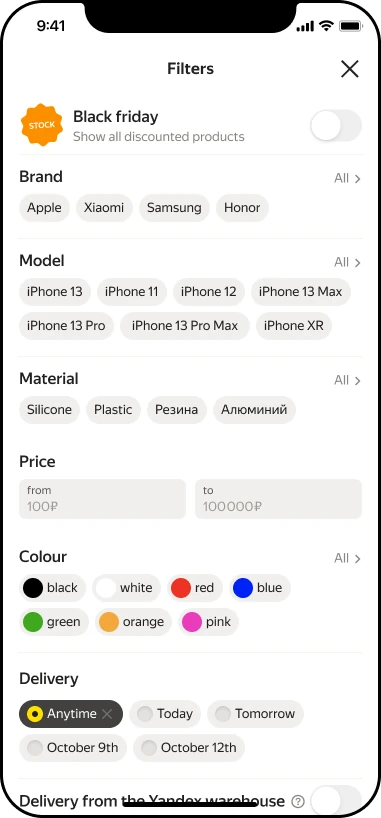
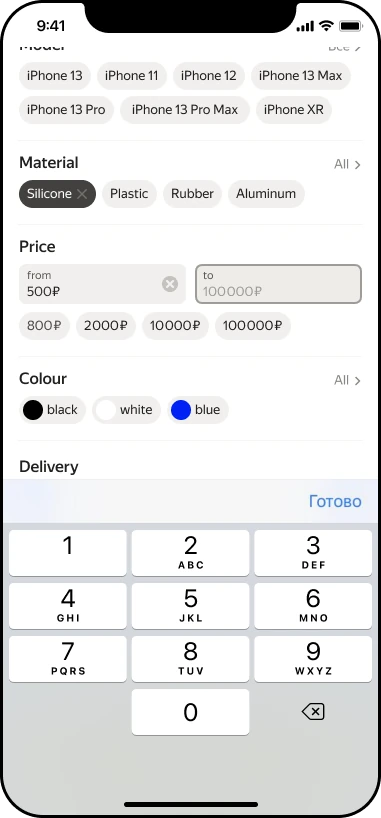
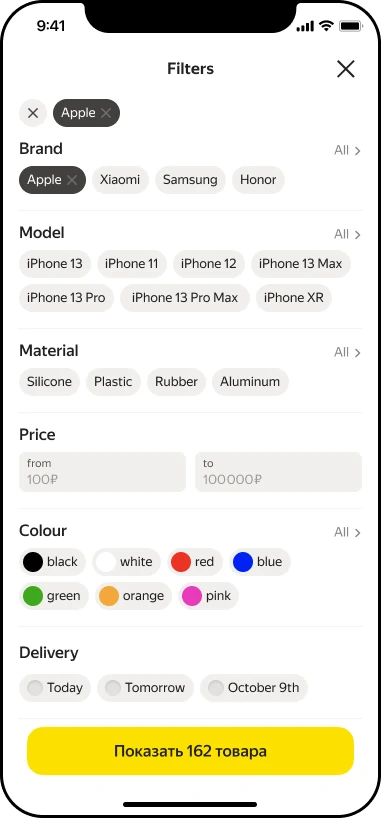
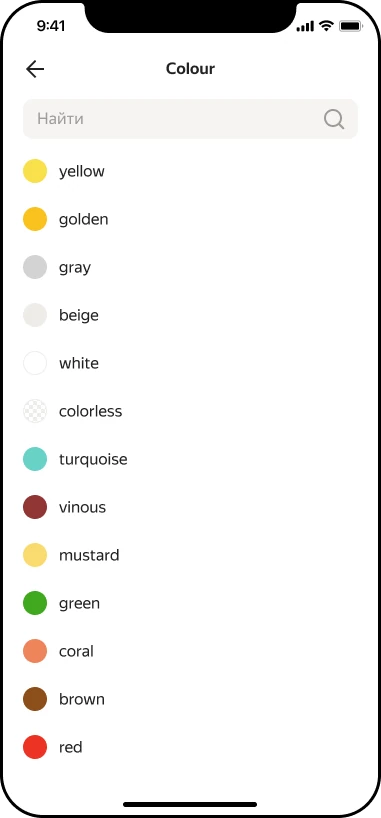
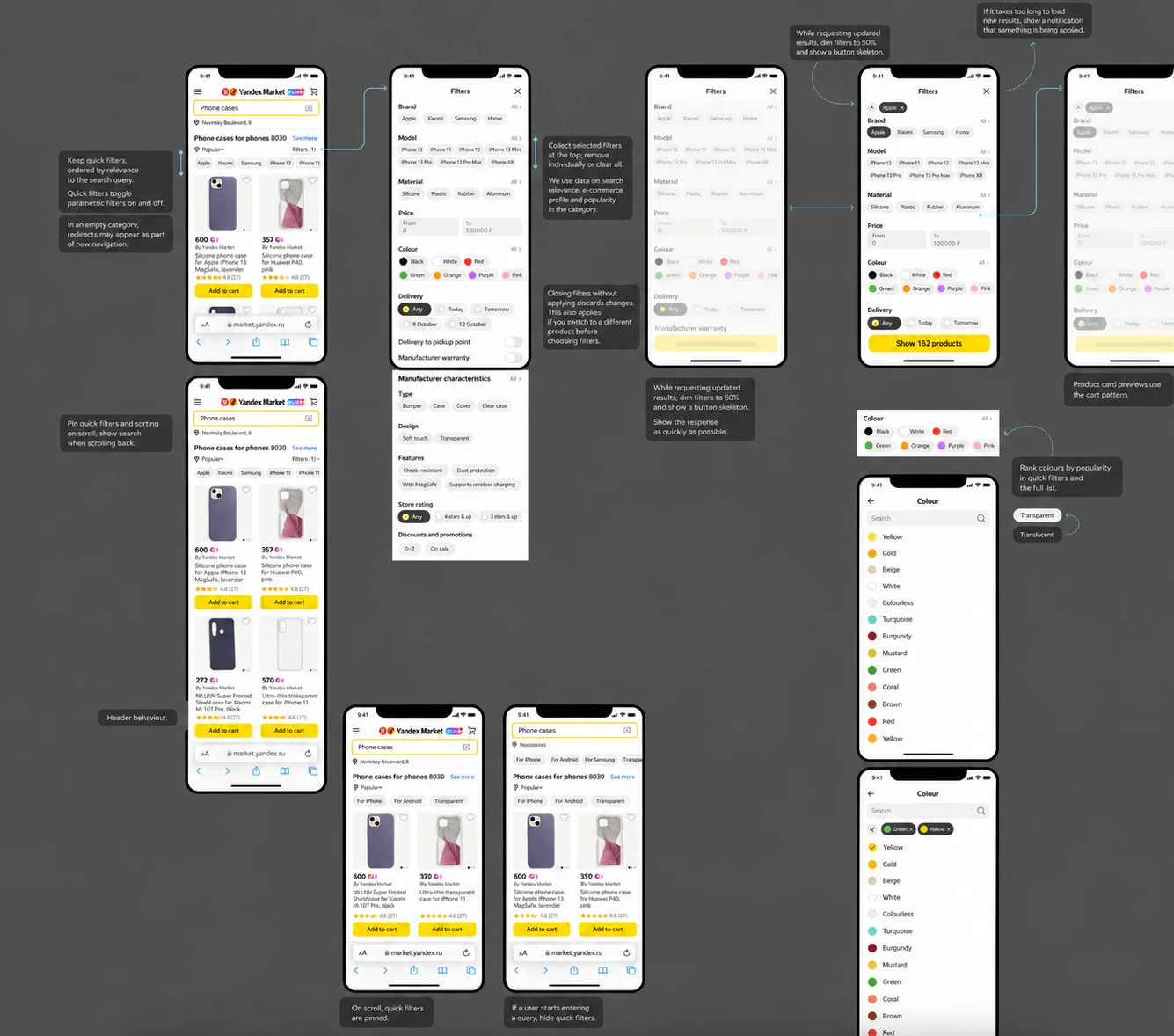
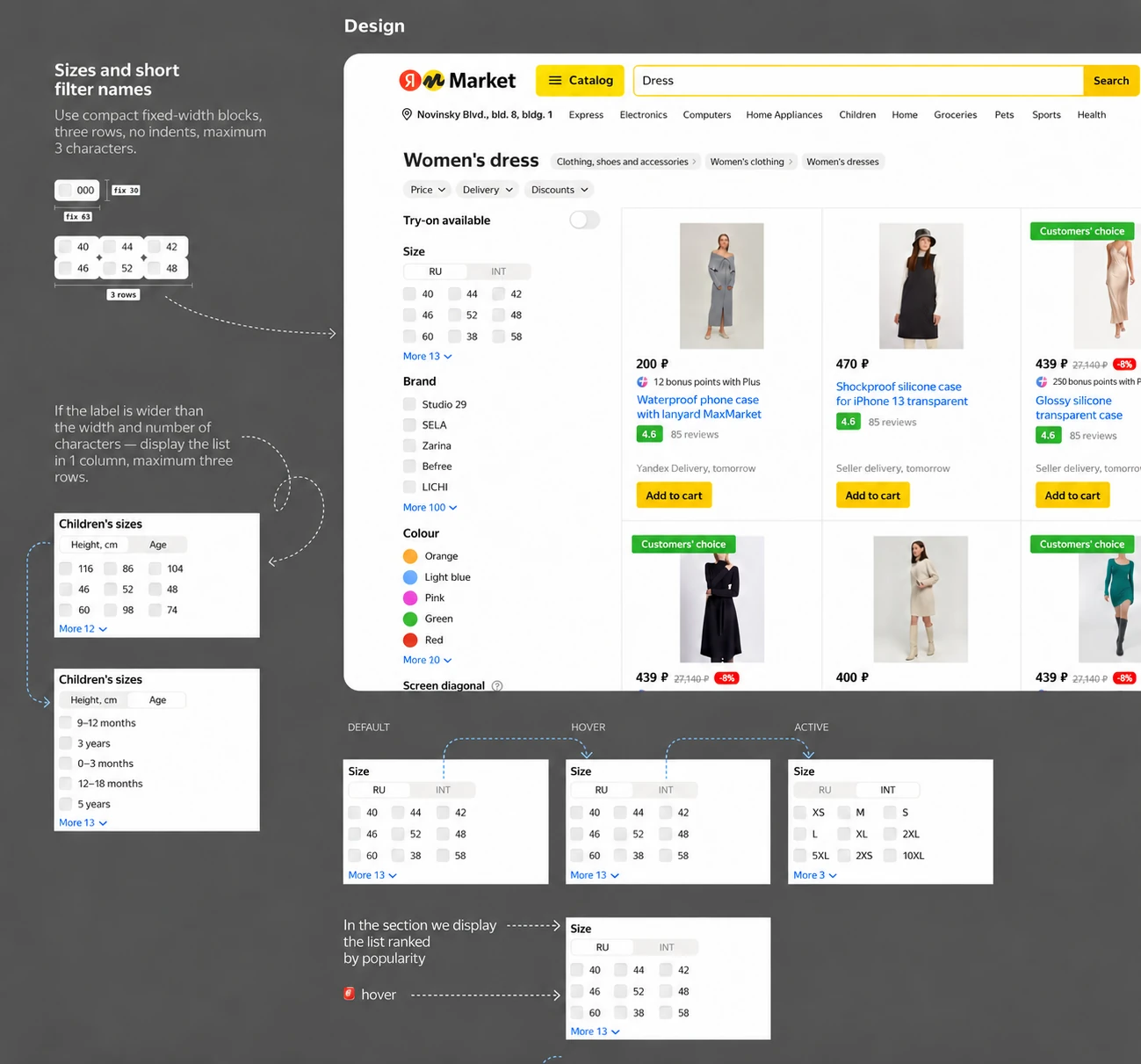
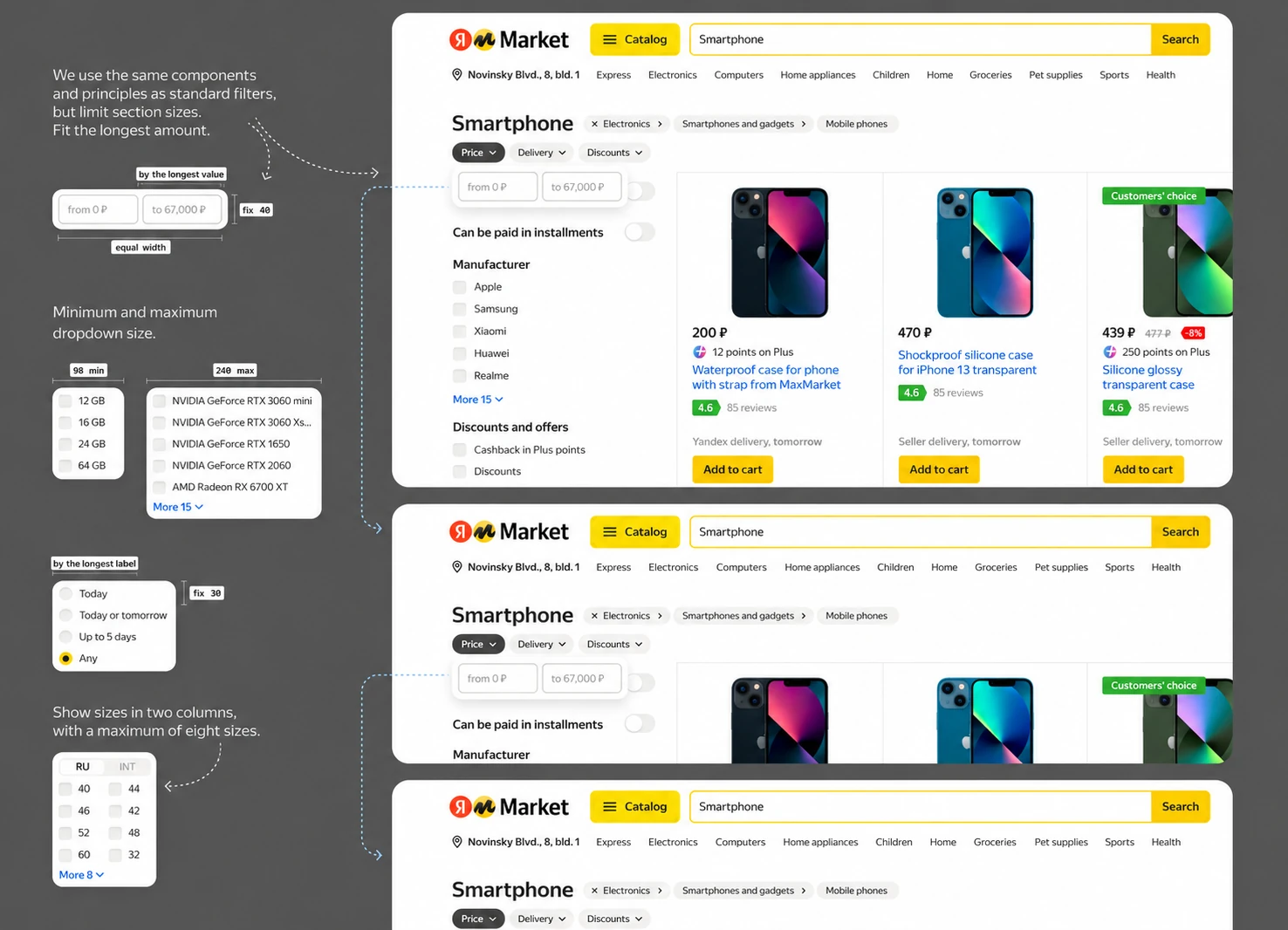
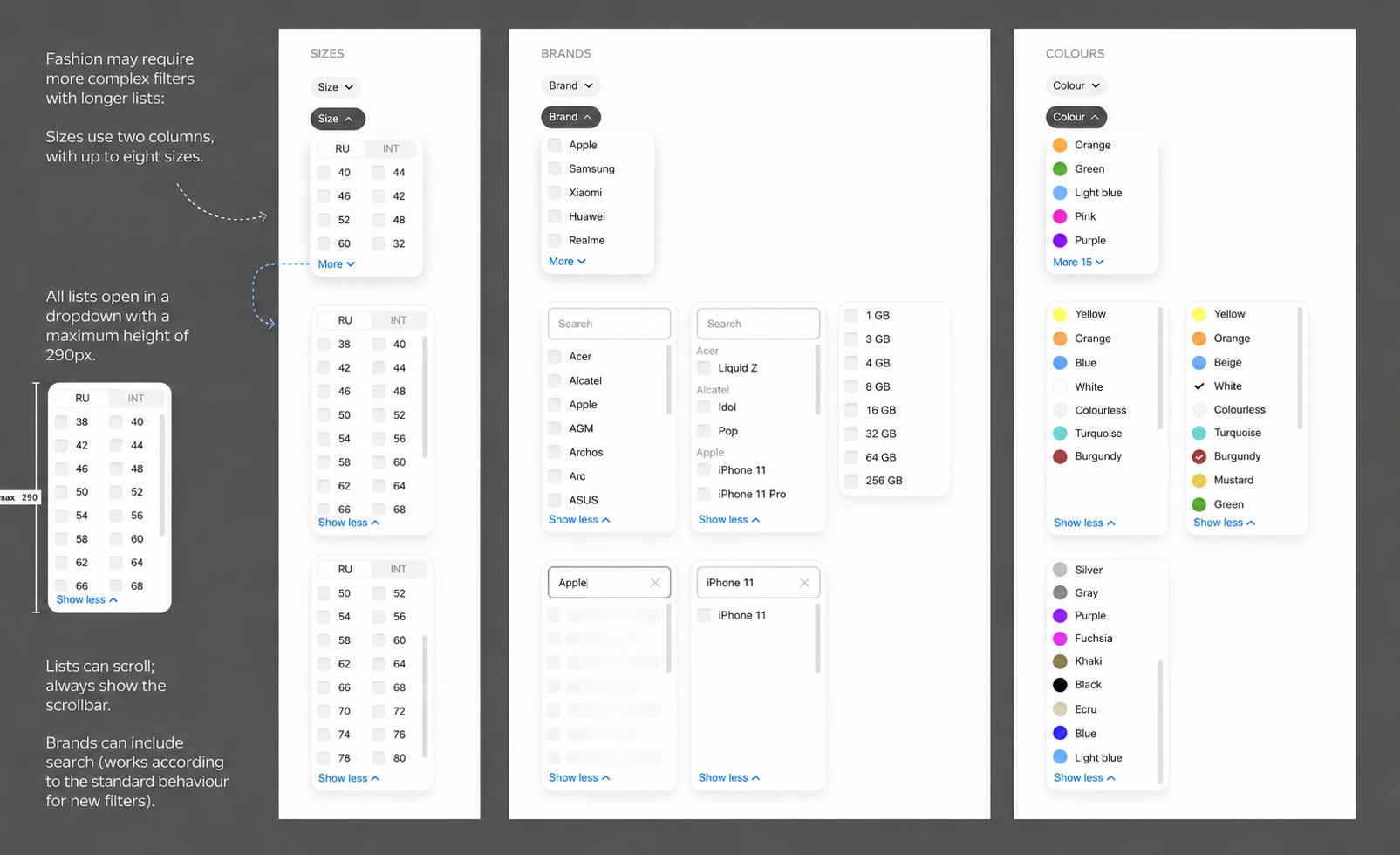
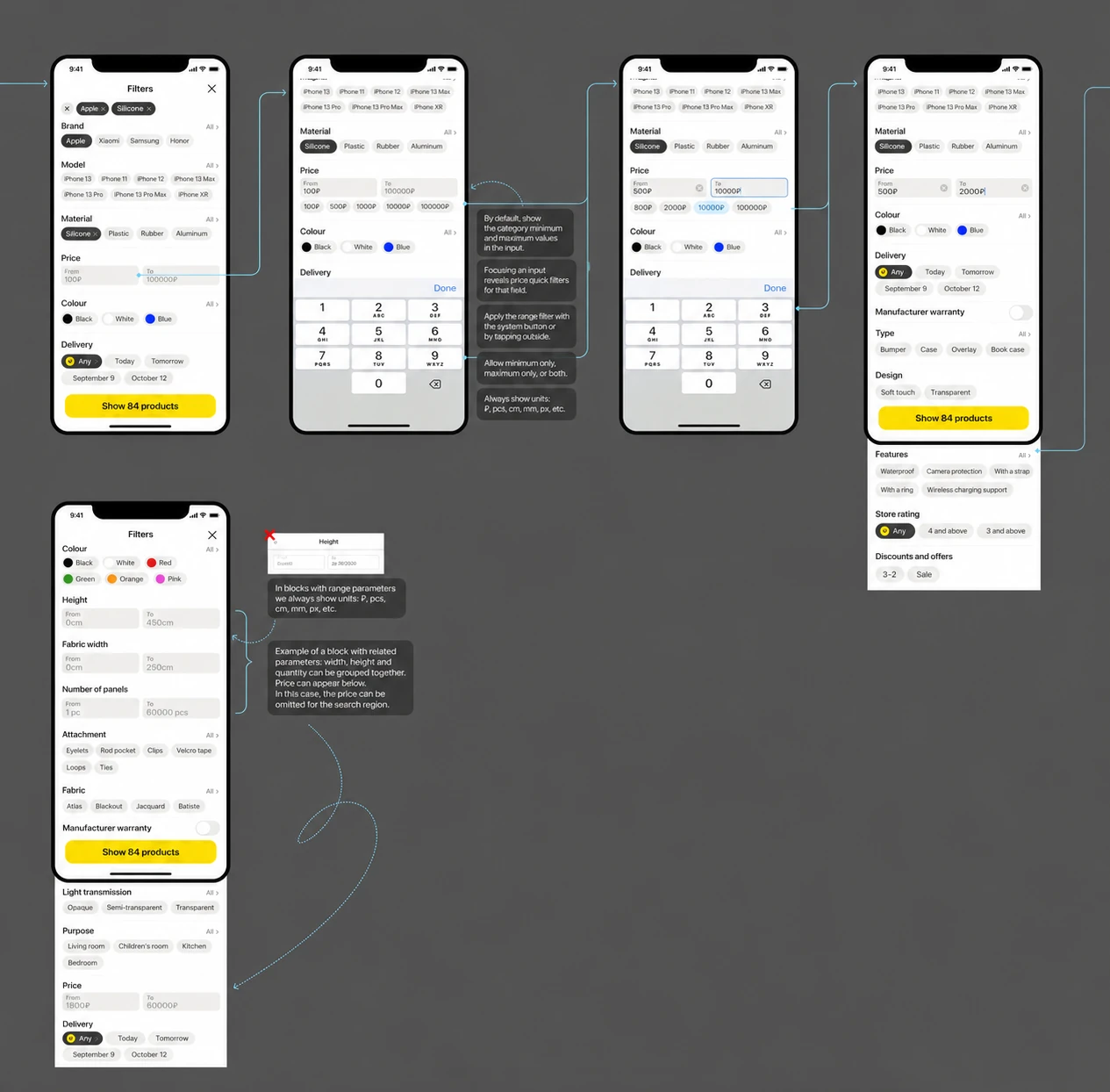
This project demonstrated how improving relevance — not just visual polish — can significantly impact user behaviour and business metrics.
By combining research insights, technical collaboration, and system-level thinking, we turned an underused feature into a meaningful growth driver.
A homepage redesign that brought personalized recommendations into focus, solved visibility issues, and created a scalable promo system for business growth
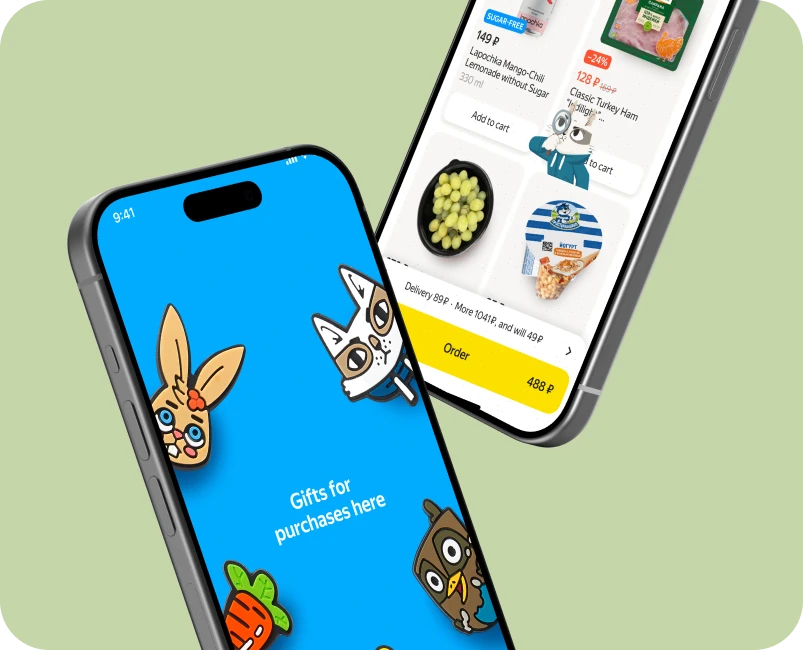
Designing a playful in-flow promotion that turned a brand campaign into measurable business and engagement impact
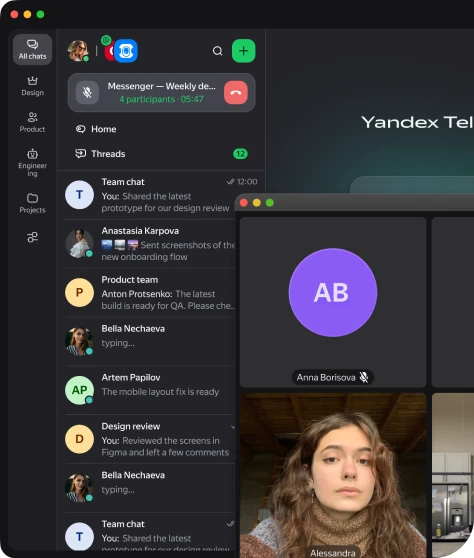
I shaped the design strategy for unifying calls and messaging across web and desktop, aligned designers and engineers